 how-to
How to Get Primary Care Without Insurance
Last Updated: October 26, 2026
Quick Summary
Primary care without insurance is possible through community health centers with sliding fee scales based on income, direct primary care memberships with flat monthly fees, or private practices offering transparent self-pay pricing. Call ahead to ask about rates and payment options.
- Community health centers charge sliding fees based on income, so lower income means lower costs.
- Direct primary care memberships offer unlimited visits for a flat monthly fee.
- Many providers accept cash, credit cards, HSA and FSA funds with transparent upfront pricing.
- Regular primary care prevents serious health problems and costs less than emergency room visits over time.
- Call local providers to ask about self-pay rates and payment plans before scheduling.
Table of Contents
- Your Options for Getting Primary Care Without Insurance
- Understanding Primary Care Without Insurance Cost
- Community Health Centers and Sliding Fee Scale Programs
- Getting Started With Primary Care
- Why Primary Care Matters Without Insurance
- Frequently Asked Questions
Your Options for Getting Primary Care Without Insurance
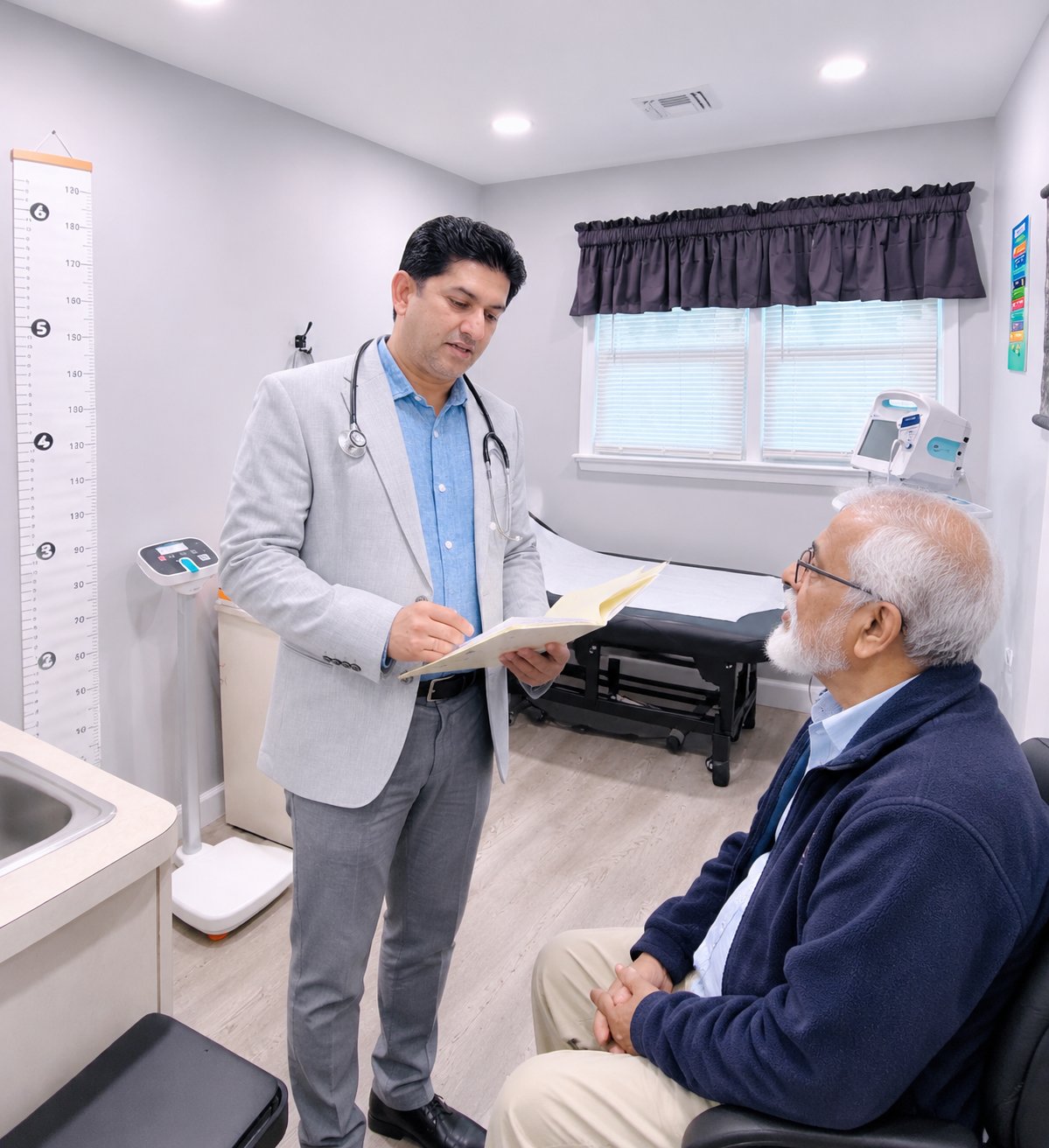
Getting primary care without insurance is possible, the key is knowing where to look. Learn when primary care is appropriate versus urgent care alternatives to find the right option for your situation. Options include direct primary care memberships (flat monthly fee, unlimited visits), community health centers (sliding fee scale by income), urgent care for acute illness, and private practices with transparent self-pay pricing. At Xcellcare Medical Practice, we work with uninsured patients who need reliable, affordable care.
Understanding Primary Care Without Insurance Cost
Costs for primary care without insurance vary widely by provider and location, and lab work, prescriptions, and follow-up visits add to the total. The Complete Guide to Physical Exam Costs Without Insurance breaks down specific service costs to help you budget. Many providers offer transparent upfront pricing, payment plans, and accept cash, credit cards, or HSA and FSA funds. Call ahead, ask about self-pay rates, and understand what's included in an office visit versus what costs extra. The Complete Guide to Physical Exam Costs Without Insurance breaks down specific service costs to help you budget. Get quotes from multiple clinics and private practices before deciding.
Community Health Centers and Sliding Fee Scale Programs
Community health centers serve uninsured and underinsured patients on a sliding fee scale, you pay based on income, so lower income means lower fees. They offer preventive care, chronic disease management, and acute illness treatment, often with on-site labs and same-day appointments. Call your local health department about income requirements and documents; most accept new patients without insurance, and you might pay nothing or a small percentage of the visit cost.
| Care Option | How It Works | Best For |
|---|---|---|
| Community Health Centers | Sliding fee scale based on income | Lower-income uninsured patients |
| Direct Primary Care | Monthly membership fee, unlimited visits | Regular preventive care needs |
| Urgent Care | Walk-in or appointment, per-visit fee | Acute illnesses and injuries |
Getting Started With Primary Care
Start by identifying what type of care you need: annual preventive screenings, management of an ongoing condition like diabetes or hypertension, or same-day care for acute illness. Next, research local providers, call to ask if they accept uninsured patients and about pricing and payment options, which many list on their websites. Schedule an appointment, bring your medical history if you have it, and be honest about symptoms. Urgent Care vs Primary Care for Illness: Which to Choose helps you decide when primary care is the right choice versus urgent care alternatives.
Why Primary Care Matters Without Insurance
Regular primary care prevents bigger health problems: annual physicals catch issues early, chronic disease management keeps conditions stable, and preventive screenings save money and lives (the CDC). Many uninsured patients skip visits until problems become serious, leading to costly ER visits, but a primary care relationship costs less over time. Building a relationship with one doctor matters, they learn your history, medications, and goals, improving outcomes and reducing unnecessary tests.
Frequently Asked Questions
How much does a primary care visit cost without insurance?
Self-pay visit costs vary by provider and location. Many clinics offer transparent, upfront pricing. Annual physicals and preventive care visits may differ in price. Contact your local primary care provider directly for their current pricing, as costs depend on the complexity of your visit and any lab work needed.
What are community health centers and do they accept uninsured patients?
Community health centers are federally qualified health centers that provide primary care, preventive services, and urgent care on a sliding fee scale based on your income. They accept uninsured and underinsured patients and offer lab work, pharmacy services, and follow-up care. Many centers also help you find financial assistance or enroll in coverage programs if you qualify.
Is direct primary care membership a good option if I don't have insurance?
Direct primary care membership offers unlimited office visits, same-day appointments, and transparent monthly fees. This model eliminates insurance paperwork and copays, giving you direct access to your primary care physician. It's a cost-effective option for preventive care and managing chronic conditions without traditional health insurance.
Getting primary care without insurance requires knowing your options and taking the first step. Community health centers, direct primary care memberships, and self-pay private practices all serve uninsured patients. Xcellcare Medical Practice accepts uninsured patients and offers transparent pricing, same-day appointments, and on-site lab coordination. Call now to schedule your visit and start building a lasting relationship with a doctor who listens.